Lung Cancer Screening Services

Preventative Healthcare & Early Detection for Lung Health

Lung Cancer Screening in Hyderabad

Lung cancer is one of the leading causes of cancer-related deaths worldwide. However, when detected at an early stage, it is often more treatable and associated with better outcomes. Lung cancer screening is a crucial preventative healthcare strategy for those who are at higher risk because, regrettably, the disease may not show any signs in its early stages.

We provide thorough Lung Cancer Screening in Hyderabad using a customized, research-based method. Every screening recommendation is tailored to your age, smoking history, family history, occupational exposure, and overall health. Early detection of lung problems and early therapies that enhance treatment results and long-term health are our main priorities.

Lung Cancer Screening in Hyderabad
What is Lung Cancer Screening?

What is Lung Cancer Screening?

Lung cancer screening is a preventive evaluation that helps detect lung cancer before symptoms develop. The primary goal is to identify small lung nodules or abnormal changes at an early stage when treatment is most effective.

Regular screening may be very beneficial for those who are at higher risk, especially long-term or past smokers. Survival rates are often increased, and less intrusive treatment alternatives are made possible by early diagnosis.

Common Lung Cancer Screening Methods

  • Low-Dose Computed Tomography (LDCT)
  • Chest imaging when clinically indicated
  • Comprehensive risk assessment
  • Follow-up imaging for suspicious lung nodules

Your lifestyle, medical history, and total risk assessment will determine the best screening strategy.

Risk Assessment

Who Should Get Lung Cancer Screening?

Routine lung cancer screening is generally recommended for individuals who have an increased risk of developing lung cancer.

Screening is Recommended For

Adults aged 50 years and older with significant smoking history
Smokers today
Former smokers who quit within the past 15 years
People exposed to radon, asbestos, or chemicals at work
People with a family history of lung cancer
Individuals seeking preventive cancer evaluations

Risk Factors

Several factors increase the likelihood of developing lung cancer, including:

Cigarette smoking
Passive smoking
Increasing age
Family history
Workplace carcinogens
Radon gas exposure
Air pollution
Prior chest radiation

Your doctor will recommend an individualized screening schedule based on your personal risk profile.

Warning Signs

Signs and Symptoms That Should Not Be Ignored

According to the fact that lung cancer usually progresses silently, see your doctor if you have:

Persistent cough lasting several weeks
Coughing up blood
Shortness of breath
Chest pain
Wheezing
Unexplained weight loss
Persistent fatigue
Recurrent chest infections
Vocal hoarseness

Early detection of cancer is facilitated by quick evaluation, which also aids in identifying the cause of these symptoms.

Screening Steps

How is Lung Cancer Screening Performed?

1

Initial Medical Consultation

Your doctor reviews your medical history, smoking history, occupational exposure, family history, and current symptoms.

2

Individual Risk Evaluation

Your overall cancer risk is assessed to determine whether lung cancer screening is appropriate.

3

Low-Dose CT Scan (LDCT)

For eligible individuals, Low-Dose CT (LDCT) is the preferred screening method because it can detect very small lung abnormalities with minimal radiation exposure.

4

Follow-up Recommendations

If any abnormalities are identified, additional imaging, biopsy, or further diagnostic evaluation may be recommended based on clinical findings.

Benefits of Early Lung Cancer Screening

Routine lung cancer screening offers several important advantages:

  • Detects lung cancer before symptoms appear
  • Identifies small lung nodules at an earlier stage
  • Improves treatment success
  • Increases survival rates
  • Supports minimally invasive treatment whenever appropriate
  • Reduces the risk of advanced-stage disease
  • Provides reassurance for individuals at increased risk

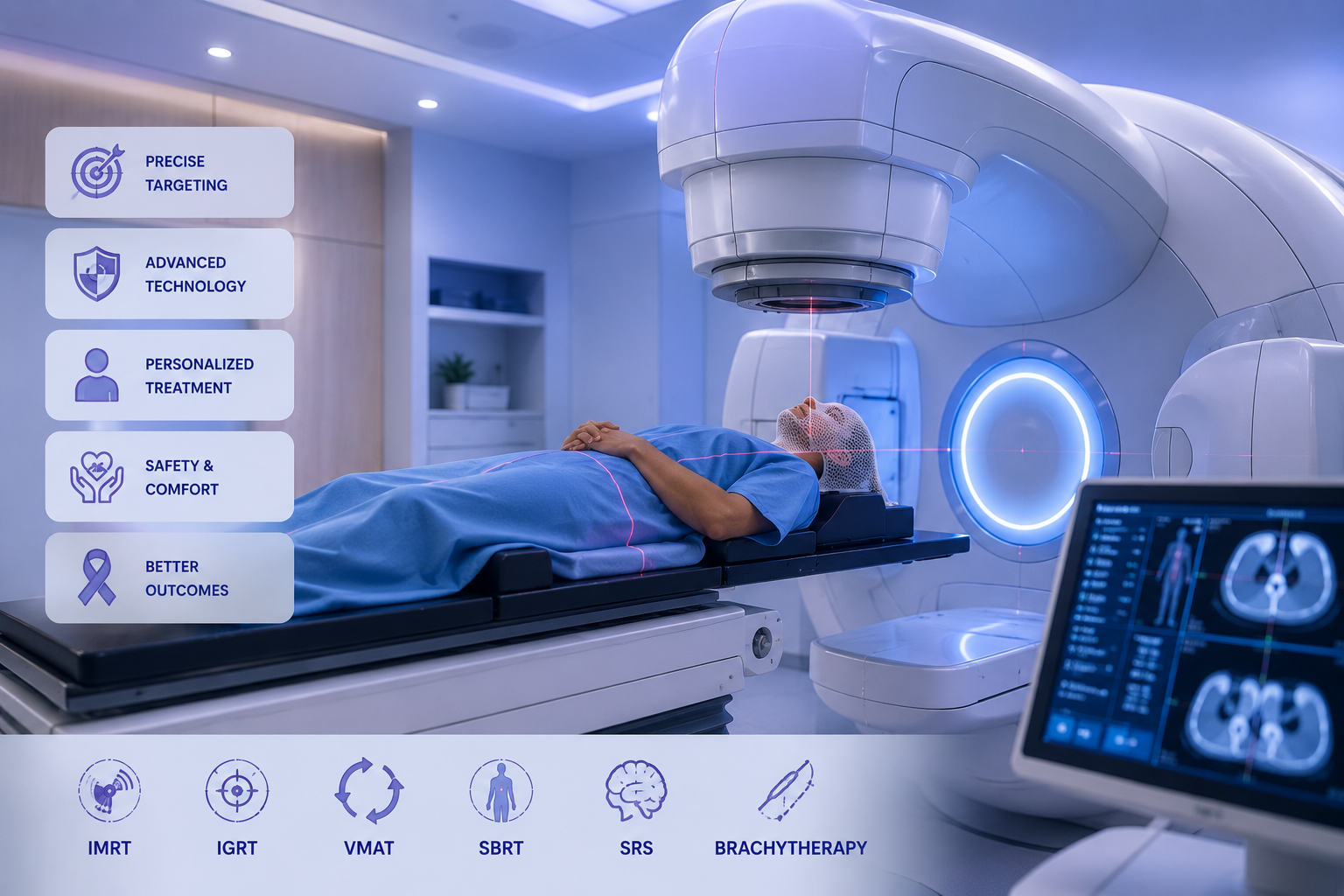
If lung cancer is detected during screening, treatment may include surgery, Radiation Therapy for Lung Cancer, chemotherapy, immunotherapy, or targeted therapy depending on the stage and individual diagnosis.

Benefits of Early Lung Cancer Screening

Personalized Care for Lung Cancer Patients

Every lung cancer diagnosis is unique. Dr. Sravanthi Reddy develops personalized treatment recommendations based on the type and stage of cancer, genetic characteristics, and the patient's overall health.

Using a multidisciplinary approach, she provides evidence-based, patient-centered care focused on achieving the best possible outcomes while maintaining quality of life.

Why Choose Dr. Sravanthi Reddy for Lung Cancer Screening in Hyderabad?

Dr. Sravanthi Reddy provides patient-focused oncology care with an emphasis on prevention, early diagnosis, and evidence-based treatment planning.

Patients choose Dr. Sravanthi Reddy because of:

Personalized screening recommendations
Comprehensive lung cancer risk assessment
Evidence-based clinical protocols
Advanced diagnostic guidance
Compassionate patient care
Personalized treatment strategies
Long-term follow-up and surveillance
Why Choose Dr. Sravanthi Reddy
Consult Dr. Sravanthi Reddy

Consult Dr. Sravanthi Reddy for Lung Cancer Screening

If you have a history of smoking, occupational exposure, persistent respiratory symptoms, or a family history of lung cancer, consult Dr. Sravanthi Reddy for a personalized screening plan.

During Your Consultation, You Can Expect:

  • Detailed medical history review
  • Smoking and lifestyle assessment
  • Individual lung cancer risk evaluation
  • Review of previous imaging reports
  • Guidance on Low-Dose CT screening
  • Personalized follow-up recommendations
  • Lifestyle counseling for lung health

Individuals focused on preventive healthcare may also consider Breast Cancer Screening and Cervical Cancer Screening as part of a comprehensive cancer prevention strategy.

FAQ

Frequently Asked Questions

Lung cancer screening is a preventive test that helps detect lung cancer at an early stage before symptoms develop, improving the chances of successful treatment.

People aged 50 years or older with a significant smoking history or other high-risk factors should discuss screening with their doctor.

Low-Dose Computed Tomography (LDCT) is the recommended screening method for eligible high-risk individuals.

Yes. Low-Dose CT uses much less radiation than a conventional CT scan while providing highly detailed images of the lungs.

Most high-risk individuals may require annual screening, although the schedule depends on individual risk factors and your doctor's recommendations.

Consult an oncologist if you have persistent respiratory symptoms, abnormal chest imaging, a history of heavy smoking, or concerns about your lung cancer risk.

Take the First Step Toward Better Lung Health

Early detection can make a significant difference in the successful treatment of lung cancer. If you have a history of smoking, are at increased risk, or have persistent respiratory symptoms, lung cancer screening may help detect abnormalities at an early stage.

Schedule a consultation with Dr. Sravanthi Reddy to discuss your risk factors, receive personalized screening recommendations, and take a proactive step toward protecting your lung health.

Prioritize Your Lung Health Today.