Colon Cancer Screening Services

Preventive Care & Early Detection for Colorectal Health

Colon Cancer Screening in Hyderabad

Colon cancer is one of the most common gastrointestinal cancers, but early detection greatly improves treatment outcomes. Since it often develops without noticeable symptoms, colon cancer screening is essential for detecting precancerous polyps and early-stage cancer before they progress.

We provide comprehensive colon cancer screening in Hyderabad with a personalized, patient-centered approach. Every screening plan is tailored to your age, family history, medical history, and individual risk factors, helping ensure early diagnosis and the most appropriate care.
Colon Cancer Screening in Hyderabad
What is Colon Cancer Screening?

What is Colon Cancer Screening?

Colon cancer screening is a preventive evaluation designed to detect abnormal growths, precancerous polyps, or early-stage colorectal cancer before symptoms appear. Detecting these changes early allows timely intervention, reducing the likelihood of cancer progression and improving long-term outcomes.

Depending on your age and risk profile, your doctor may recommend different screening methods and follow-up evaluations.

Common Screening Methods

  • Stool-based screening tests
  • Colonoscopy
  • Flexible sigmoidoscopy
  • CT colonography (when appropriate)

The most suitable screening method depends on your individual health condition and clinical recommendations.

Learn more about our early cancer detection services, designed to detect various cancers at an early and more treatable stage.

Risk Assessment

Who Should Get Colon Cancer Screening?

Routine colon cancer screening is recommended for adults, particularly those at increased risk.

Screening is Recommended For

Adults aged 45 years and above
Individuals with a family history of colorectal cancer
People with inflammatory bowel disease
Individuals with a personal history of colon polyps
People with inherited colorectal cancer syndromes
Adults seeking preventive health screening

Risk Factors

Several factors increase the risk of colon cancer, including:

Increasing age
Family history
Obesity
Smoking
Excessive alcohol
Low-fiber / high-fat diet
Physical inactivity
History of colon polyps

Your screening schedule should always be individualized based on your overall health and risk profile.

Warning Signs

Signs and Symptoms That Should Not Be Ignored

Early colon cancer may not cause symptoms. Seek medical evaluation if you have:

Persistent changes in bowel habits
Blood in the stool
Rectal bleeding
Unexplained weight loss
Persistent abdominal pain or cramps
Fatigue or weakness
Incomplete bowel emptying feeling
Unexplained iron deficiency anemia

Early evaluation helps identify the underlying cause and allows prompt treatment if necessary.

Screening Steps

How is Colon Cancer Screening Performed?

1

Medical Consultation

Your doctor reviews your symptoms, medical history, medications, lifestyle, and family history.

2

Risk Assessment

Your individual risk factors are evaluated to determine the most appropriate screening method.

3

Recommended Screening Test

Depending on your clinical assessment, your doctor may recommend stool-based tests, colonoscopy, or other diagnostic procedures.

4

Follow-up Evaluation

If abnormalities are detected, further investigations or treatment planning may be recommended.

Benefits of Early Colon Cancer Screening

Routine colon cancer screening provides several important benefits:

  • Detects colon cancer at an early stage
  • Identifies precancerous polyps before they become cancerous
  • Improves treatment success rates
  • Supports less invasive treatment options
  • Reduces the risk of advanced colorectal cancer
  • Improves long-term survival
  • Provides reassurance through preventive healthcare

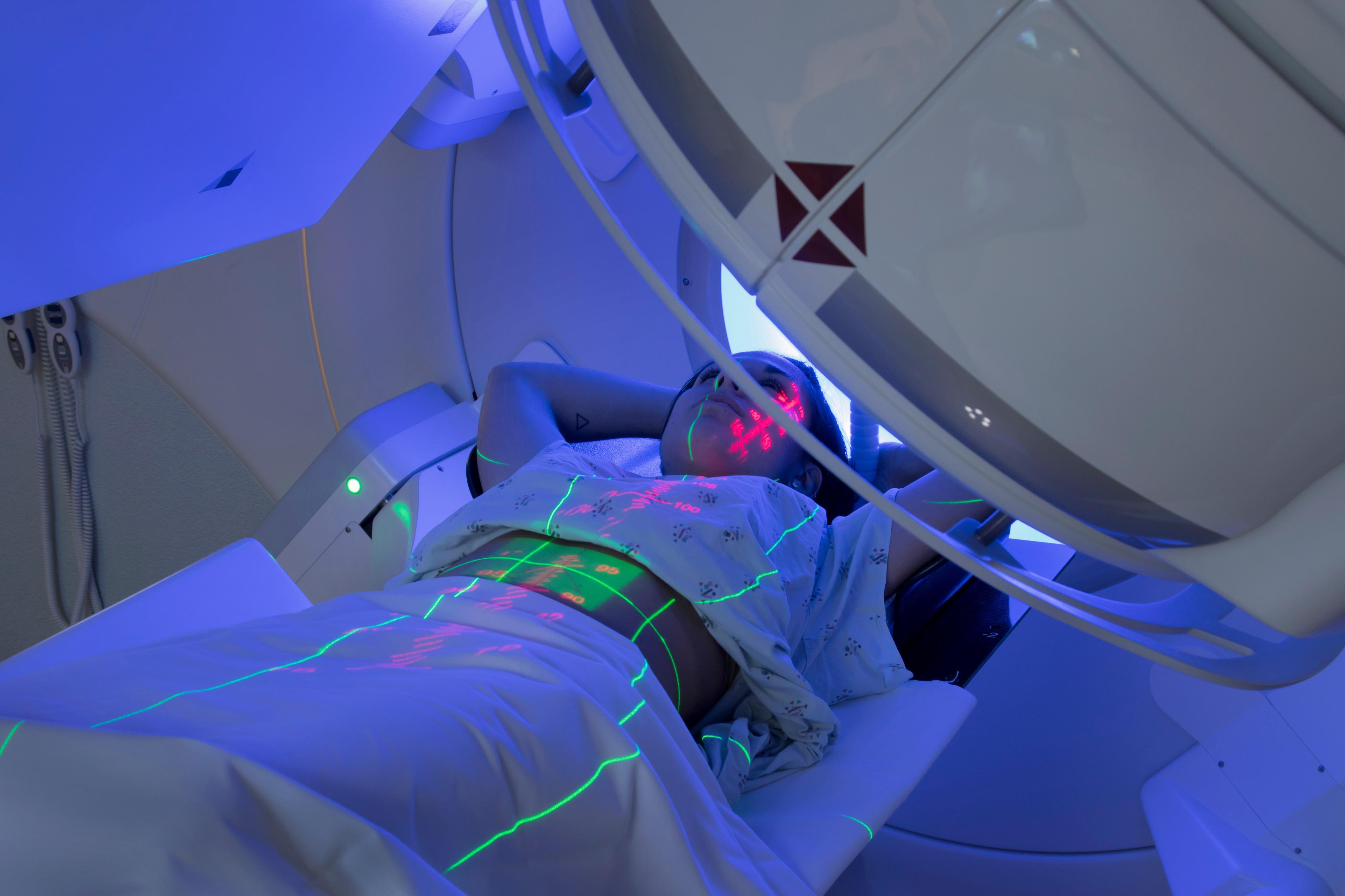
If colon cancer is diagnosed, advanced radiation therapy may be recommended in selected cases as part of a comprehensive treatment plan, depending on the location and stage of the disease.

Benefits of Early Colon Cancer Screening

Personalized Cancer Care After Diagnosis

Every patient's diagnosis is unique. Our Precision Oncology approach tailors personalized cancer treatment recommendations based on the cancer, overall health, and individual needs, helping deliver effective care while supporting a better quality of life.

Why Choose Dr. Sravanthi Reddy for Colon Cancer Screening in Hyderabad?

Dr. Sravanthi Reddy is committed to providing compassionate, evidence-based oncology care focused on prevention, early detection, and personalized treatment planning.

Patients choose Dr. Sravanthi Reddy because of:

Personalized screening recommendations
Comprehensive cancer risk assessment
Evidence-based clinical protocols
Advanced treatment planning
Patient-centered consultations
Compassionate support throughout care
Long-term follow-up and monitoring
Why Choose Dr. Sravanthi Reddy
Consult Dr. Sravanthi Reddy

Consult Dr. Sravanthi Reddy for Colon Cancer Screening

If you are over 45 years of age, have a family history of colorectal cancer, persistent digestive symptoms, or other risk factors, consult Dr. Sravanthi Reddy for a personalized screening plan.

During Your Consultation, You Can Expect:

  • Review of your medical and family history
  • Individual risk assessment
  • Guidance on the most appropriate screening test
  • Interpretation of previous reports
  • Personalized follow-up recommendations
  • Discussion of preventive lifestyle measures

Patients interested in preventive oncology may also benefit from screening for prostate cancer, which helps identify prostate cancer at an early stage.

FAQ

Frequently Asked Questions

Colon cancer screening helps detect precancerous polyps and early-stage colorectal cancer before symptoms develop.

Most adults should begin routine screening at age 45. Individuals with higher risk factors may require earlier screening.

Most screening tests are well tolerated. Colonoscopy is performed with appropriate preparation and patient comfort measures.

Many cases can be prevented by detecting and removing precancerous polyps through regular screening, along with maintaining a healthy lifestyle.

The screening interval depends on the type of test performed, your age, and your risk factors. Your doctor will recommend the appropriate schedule.

You should seek specialist advice if you have persistent digestive symptoms, blood in the stool, a family history of colorectal cancer, or abnormal screening results.

Take the First Step Toward Better Colon Health

Regular colon cancer screening is one of the most effective ways to detect colorectal cancer early and improve treatment outcomes. If you're due for a routine screening, have a family history of colon cancer, or are experiencing concerns about your digestive health, don't wait.

Schedule a consultation with Dr. Sravanthi Reddy to receive personalized screening recommendations, expert guidance, and compassionate care tailored to your individual health needs.

Prioritize Your Colorectal Health Today.